
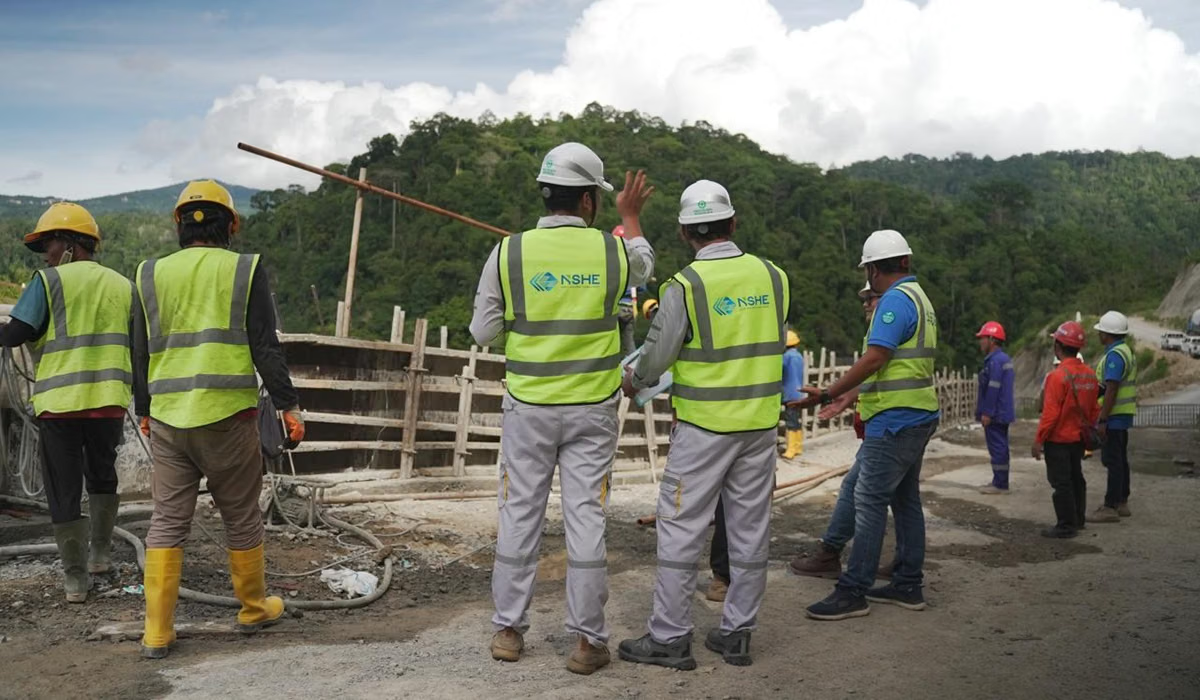
Rising national energy demand is driving the accelerated adoption of new and renewable energy (NRE). Hydropower plants (PLTA)—which utilize water flow sustainably—serve as a key pillar in this effort. In Sumatra, the Batangtoru Hydropower Plant plays a strategic role in supporting energy security while maintaining the stability of the regional electricity grid.
Arwan Kahfi, Design and Construction Manager at PT North Sumatera Hydro Energy (PT NSHE), explained that the operation of a hydropower plant requires meticulous preparation. Prior to commencing operations, every stage—from infrastructure and system testing to safety standards—must strictly comply with regulations.
“This readiness encompasses not only infrastructure and equipment but also various supporting aspects integral to the entire development process,” Kahfi stated.
Technical Advantages and System Responsiveness
The Batangtoru Hydropower Plant is designed to be the largest power plant on Sumatra, utilizing a run-of-river system. Unlike conventional reservoir-based plants, this system features a daily pondage (a small holding pond) that allows for the optimal regulation of the Batang Toru River’s flow to generate significant power.
A standout technical advantage is its high ramp rate capability. This characteristic makes the plant highly responsive, allowing it to rapidly increase power output when the grid requires a sudden boost in supply.
“The high ramp rate capability enables the plant to become operational almost immediately when needed, thereby playing a vital role in upholding the reliability and stability of the electricity grid,” Kahfi added.
This capability is crucial, particularly in light of the blackout that struck Sumatra in late May, where responsive power plants were essential for the gradual restoration of the grid. Commitment to
Sustainability and the Environment
Beyond technical aspects, PT NSHE emphasizes that the development of the Batangtoru Hydropower Plant (PLTA) goes hand-in-hand with environmental management and community empowerment. The use of a daily pondage system allows for a significantly smaller reservoir surface area compared to seasonal or annual storage reservoirs, thereby minimizing environmental impact without compromising power generation capacity.
The presence of this hydropower plant also represents a tangible step toward decarbonizing the energy sector in Sumatra, which is currently dominated by fossil fuel-fired power plants—particularly those using coal. With the Batangtoru Hydropower Plant in operation, the potential reduction in greenhouse gas emissions is estimated to reach 1.9 million tons of CO2 annually.
“The development of the Batangtoru Hydropower Plant is part of an effort to provide new and renewable energy that is responsible and sustainable, while balancing development with environmental considerations,” concluded Kahfi.
Through this project, PT NSHE hopes to deliver long-term benefits to the surrounding community while strengthening the backbone of the national electricity grid through the provision of reliable, clean energy. (Z-1)
Source: Media Indonesia