
Jakarta, suaramerdeka-jakarta.com — Amidst ever-increasing energy demands, the development of hydroelectric power plants (PLTA) serves as a solution to strengthen national energy security while curbing carbon emissions. One project currently in the spotlight is the Batangtoru Hydropower Plant in North Sumatra, touted as the largest-capacity hydropower plant on the island.
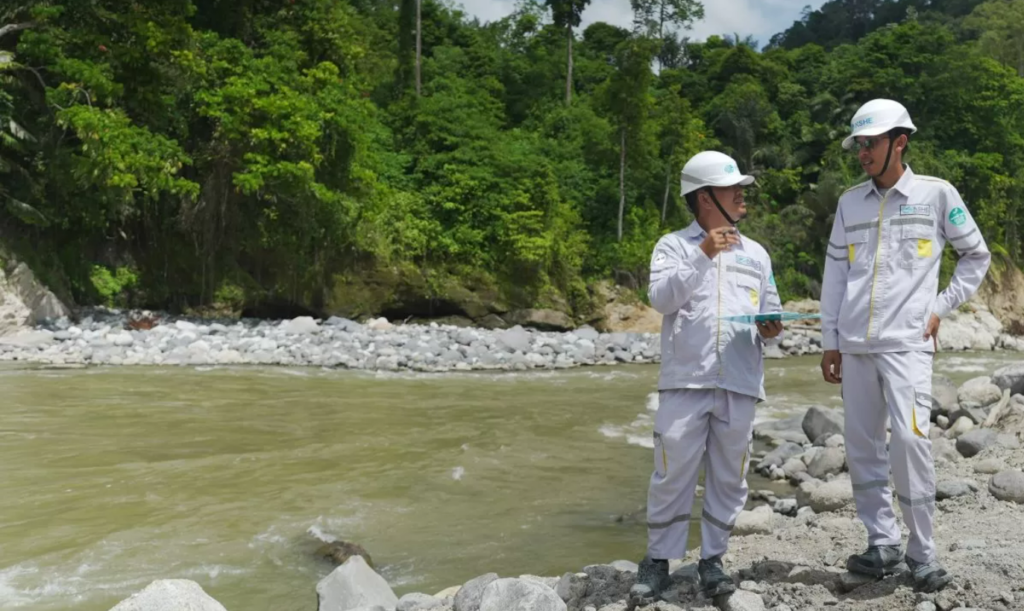
Unlike conventional hydropower plants that rely on massive dams and large-scale annual reservoirs, the Batangtoru plant utilizes “run-of-river” technology, efficiently harnessing the direct flow of the Batang Toru River.
Run-of-River Technology: What Sets It Apart?
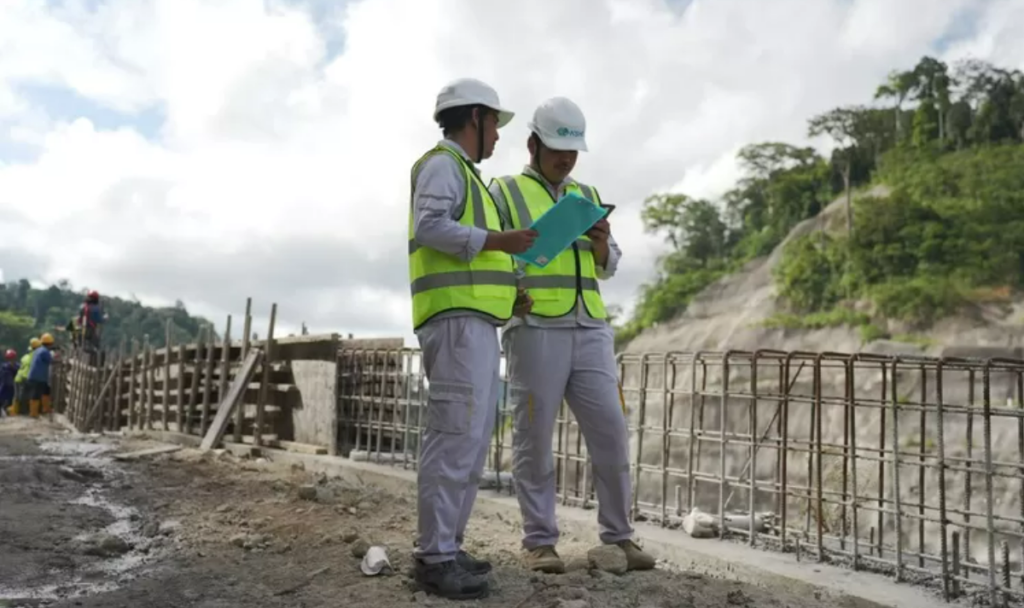
Arwan Kahfi, Design and Construction Manager at PT North Sumatra Hydro Energy (PT NSHE), explains that before a hydropower plant becomes operational, it must undergo a lengthy series of stages—ranging from infrastructure readiness, system testing, and the implementation of safety standards to environmental and community empowerment programs that run concurrently with construction.
What distinguishes the Batangtoru plant from typical hydropower facilities is its use of a “daily pondage” system. Under this scheme, river water is managed and utilized within a daily cycle rather than being stored in a massive, long-term reservoir. Consequently, the Batangtoru plant achieves more optimal land use while still delivering substantial power generation capacity.
High “Ramping Rate” Capability: A Key Strength
One of the Batangtoru plant’s standout technical features is its high “ramping rate”—the speed at which the plant can rapidly increase power output whenever the electrical grid demands it.
This responsiveness positions the Batangtoru plant to play a crucial role when Sumatra’s interconnected grid requires a sudden boost in electricity supply, such as during system disruptions or load fluctuations. “A high ramp rate capability allows the power plant to become operational quickly when needed, thereby playing a role in bolstering the reliability and stability of the electricity system,” said Kahfi.
This issue is particularly relevant given the blackout that struck Sumatra late last May. According to Kahfi, that incident vividly illustrated the importance of having power plants capable of supporting a phased system recovery—naturally, alongside a reliable transmission network.
Smaller Reservoir, More Controlled Risk
Because it does not function as an annual storage reservoir, a run-of-river system with daily regulation allows for a relatively smaller reservoir compared to conventional hydropower plants. Nevertheless, PT NSHE states that this approach does not compromise generation capacity—while simultaneously providing greater scope to prioritize safety and operational risk management.
This article is part of the Promedia Group partnership and was originally published under the title “A Look at How the Batangtoru Hydropower Plant Works: Relying on River Flow, Ready to Rapidly Meet Sumatra’s Electricity Needs.”
Potential Emission Reduction of Up to 1.9 Million Tons of CO2 Per Year
Amidst a Sumatra interconnection system currently dominated by fossil-fuel power plants—particularly coal—the Batangtoru Hydropower Plant is projected to deliver a significant environmental impact.
“The Batangtoru Hydropower Plant can reduce CO2 emissions by up to 1.9 million tons annually,” Kahfi concluded.
A Commitment to Sustainability, Not Just Infrastructure
Beyond technical aspects, PT NSHE emphasizes that the development of the Batangtoru Hydropower Plant also takes environmental and social dimensions into account, in line with the principles of sustainable development. Various environmental and community empowerment programs in the vicinity of the project site are being implemented alongside the construction process, with the aim of ensuring responsible project development that delivers long-term benefits.
By providing transparent information regarding the Batangtoru Hydropower Plant’s operational systems, PT NSHE hopes the public will gain a better understanding of the processes behind renewable energy generation—ranging from the construction phase and the application of operational standards to the commitment to balancing infrastructure development with environmental conservation. (*)
Source: Suaramerdeka